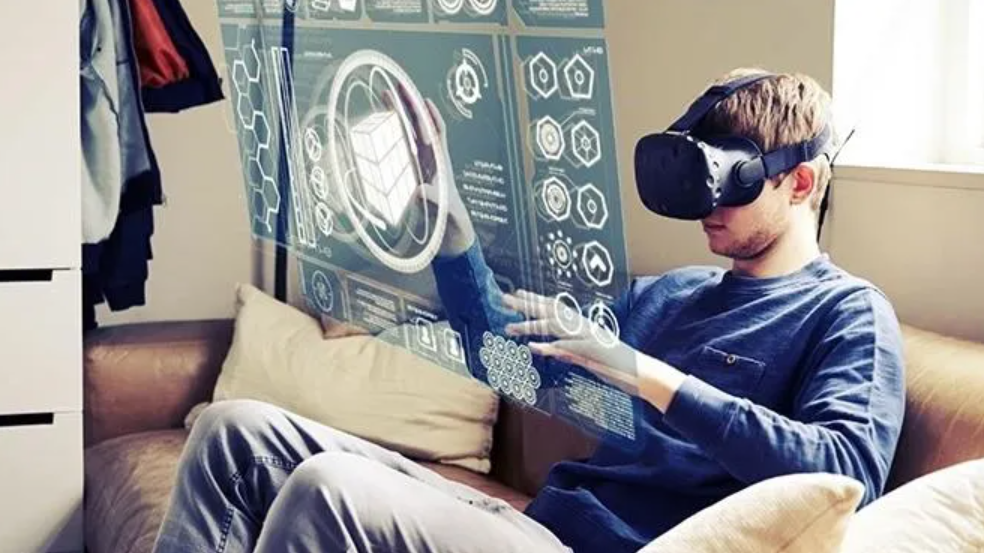
The landscape of digital interaction is rapidly evolving with Augmented Reality (AR), Virtual Reality (VR), and Mixed Reality (MR) each carving out distinct niches. AR enhances reality by superimposing digital elements onto the physical world. In contrast, VR immerses users in entirely virtual environments, while MR merges both realms, allowing for real-time interactions. Each technology presents unique applications and implications across various industries. What does this mean for the future of user experience and technology integration?
Understanding Augmented Reality (AR)
As technology continues to evolve, understanding Augmented Reality (AR) becomes increasingly essential.
AR gaming merges digital elements with the real world, enhancing gameplay experiences and fostering interaction.
Meanwhile, AR marketing leverages this technology to create immersive advertising strategies, engaging consumers in innovative ways.
Both applications highlight the potential of AR to transform traditional industries, empowering users with new dimensions of freedom and creativity.
See also: The Difference Between AI, ML, and Deep Learning
Exploring Virtual Reality (VR)
What makes Virtual Reality (VR) a captivating frontier in digital technology?
VR creates immersive experiences that transport users into entirely different worlds, enhancing user engagement through interactive environments.
This technology fosters a sense of presence, allowing individuals to explore, learn, and connect in ways previously unimaginable.
As it evolves, VR promises to redefine entertainment, education, and social interaction for a more liberated experience.
Delving Into Mixed Reality (MR)
Mixed Reality (MR) seamlessly blends the physical and digital worlds, creating an interactive environment where real and virtual elements coexist and interact in real time.
This innovative technology offers immersive experiences that redefine user engagement within digital environments.
Comparing Applications and Industry Impact
The landscape of technology is rapidly evolving, with augmented reality (AR), virtual reality (VR), and mixed reality (MR) carving out distinct niches across various industries.
AR enhances marketing strategies and educational tools, while VR immerses users in gaming experiences and social interactions.
MR finds applications in healthcare and industrial training, merging the physical and digital realms to create innovative solutions and improved outcomes.
Conclusion
In a world where reality can be augmented, virtually escaped, or mixed into oblivion, one must ponder: are we enhancing our lives or merely creating elaborate distractions? As AR, VR, and MR vie for our attention, it seems humanity is racing toward a future where genuine experiences are overshadowed by digital illusions. Perhaps the ultimate irony lies in our quest for connection, as we increasingly find solace in artificial realms, leaving the tangible world behind—one headset at a time.