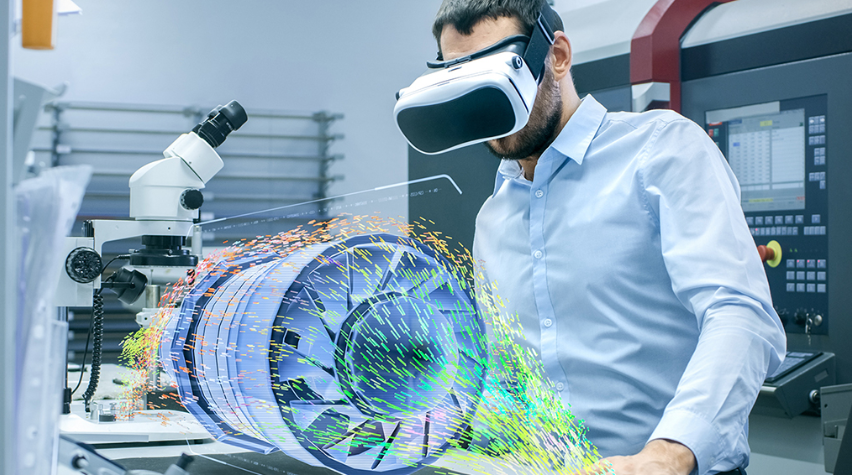
The Digital Twin Revolution marks a significant shift in industrial operations. By creating virtual replicas of physical entities, organizations can analyze real-time data for improved decision-making. This technology enhances visualization and allows for predictive maintenance, ultimately driving efficiency. As industries adopt digital twins, they are poised to transform their strategies and reduce downtime. The implications of this technology extend far beyond immediate gains, hinting at a future ripe with potential. What lies ahead in this evolving landscape?
Understanding Digital Twins: Definition and Technology
Digital twins represent a groundbreaking convergence of physical and digital realms, offering a virtual replica of physical entities.
This innovative concept enhances definition clarity, allowing users to visualize and analyze real-time data.
As technology evolution progresses, digital twins become integral to various sectors, empowering stakeholders with insights that drive efficiency and optimization, ultimately fostering an environment where freedom of choice in operations flourishes.
See also: The Difference Between Cloud and On-Premise Systems
Applications Across Industries: Transforming Operations
As industries increasingly adopt advanced technologies, the integration of digital twins is redefining operational paradigms across various sectors.
In manufacturing optimization, these virtual replicas enable real-time monitoring, enhancing efficiency and reducing waste.
Additionally, predictive maintenance through digital twins anticipates equipment failures before they occur, minimizing downtime and operational disruptions.
This transformative approach empowers organizations to achieve greater agility and responsiveness in a competitive landscape.
Future Implications: The Path to Enhanced Efficiency
While many industries are still acclimating to the integration of digital twins, the implications for future efficiency are profound and far-reaching.
By leveraging predictive analytics, organizations can anticipate challenges and streamline processes, leading to enhanced operational optimization.
This transformative approach not only fosters innovation but also empowers businesses to adapt dynamically, ultimately unlocking unprecedented levels of freedom and effectiveness in their operations.
Conclusion
In conclusion, the Digital Twin Revolution acts as a beacon guiding industries toward unprecedented efficiency and innovation. Just as a skilled conductor harmonizes an orchestra, digital twins synchronize real-time data and operational insights to create a symphony of enhanced performance. With projections estimating a $26 billion market by 2025, the transformative potential of this technology is undeniable, promising to reshape not only how businesses operate but also how they envision the future of their industries.