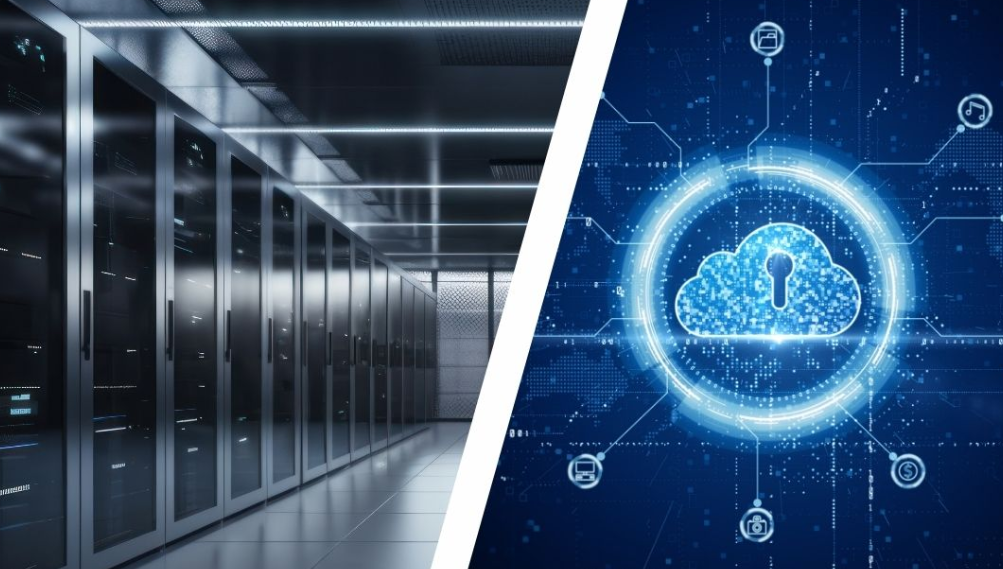
The distinction between cloud systems and on-premise solutions is critical for organizations evaluating their IT infrastructure. Cloud systems offer enhanced scalability and remote access, promoting collaboration. Conversely, on-premise solutions provide extensive customization and control over hardware. Security measures also differ, affecting data protection strategies. Understanding these nuances can inform decision-making processes. However, the implications of choosing one system over the other extend beyond technical specifications. What factors should organizations prioritize in their evaluations?
Key Features of Cloud Systems
As organizations increasingly adopt digital transformation strategies, understanding the key features of cloud systems becomes essential for evaluating their effectiveness.
Scalability options allow businesses to adjust resources dynamically, accommodating fluctuating demands without significant upfront investment.
Additionally, accessibility benefits enable users to access applications and data from anywhere, promoting collaboration and flexibility.
These features collectively enhance operational efficiency and support agile business models in a rapidly evolving landscape.
SEE ALSO: The Difference Between AR, VR, and MR
Advantages of On-Premise Solutions
While cloud systems offer significant advantages in scalability and accessibility, on-premise solutions present their own unique set of benefits that cater to specific organizational needs.
These solutions provide extensive customization options, allowing businesses to tailor their systems to precise requirements.
Additionally, on-premise deployments often ensure performance reliability, as organizations maintain direct control over their infrastructure, optimizing it for maximum efficiency and uptime.
Security Considerations for Both Approaches
Security considerations for cloud and on-premise systems differ significantly, presenting unique challenges and advantages that organizations must navigate.
Cloud solutions often leverage advanced data encryption and centralized access controls, enhancing security but relying on third-party providers.
Conversely, on-premise systems afford organizations greater control over security protocols but demand rigorous internal measures to maintain data integrity and protect against unauthorized access.
Cost Implications and Long-Term Investments
The financial implications of choosing between cloud and on-premise systems are multifaceted, influencing both initial expenditures and long-term budgeting strategies.
Organizations must assess the total cost of ownership, which encompasses not only setup and maintenance but also scalability.
An extended investment horizon may favor cloud solutions due to reduced upfront costs, while on-premise systems may necessitate larger capital outlays.
Conclusion
As organizations navigate the choice between cloud systems and on-premise solutions, the stakes are high. The allure of scalable resources and flexibility offered by cloud solutions tempts many, yet the promise of control and customization inherent in on-premise systems lingers like a shadow. Security implications and cost considerations loom over the decision, hinting at potential long-term consequences. Ultimately, the right choice could define not just operational efficiency, but the very future of an organization’s data integrity and accessibility.