Handling hazardous waste is a serious responsibility for businesses. Hazardous waste includes chemicals, medical waste, flammable liquids, and other materials that can harm people, animals, or the environment. Improper handling can lead to accidents, fines, and damage to a company’s reputation.
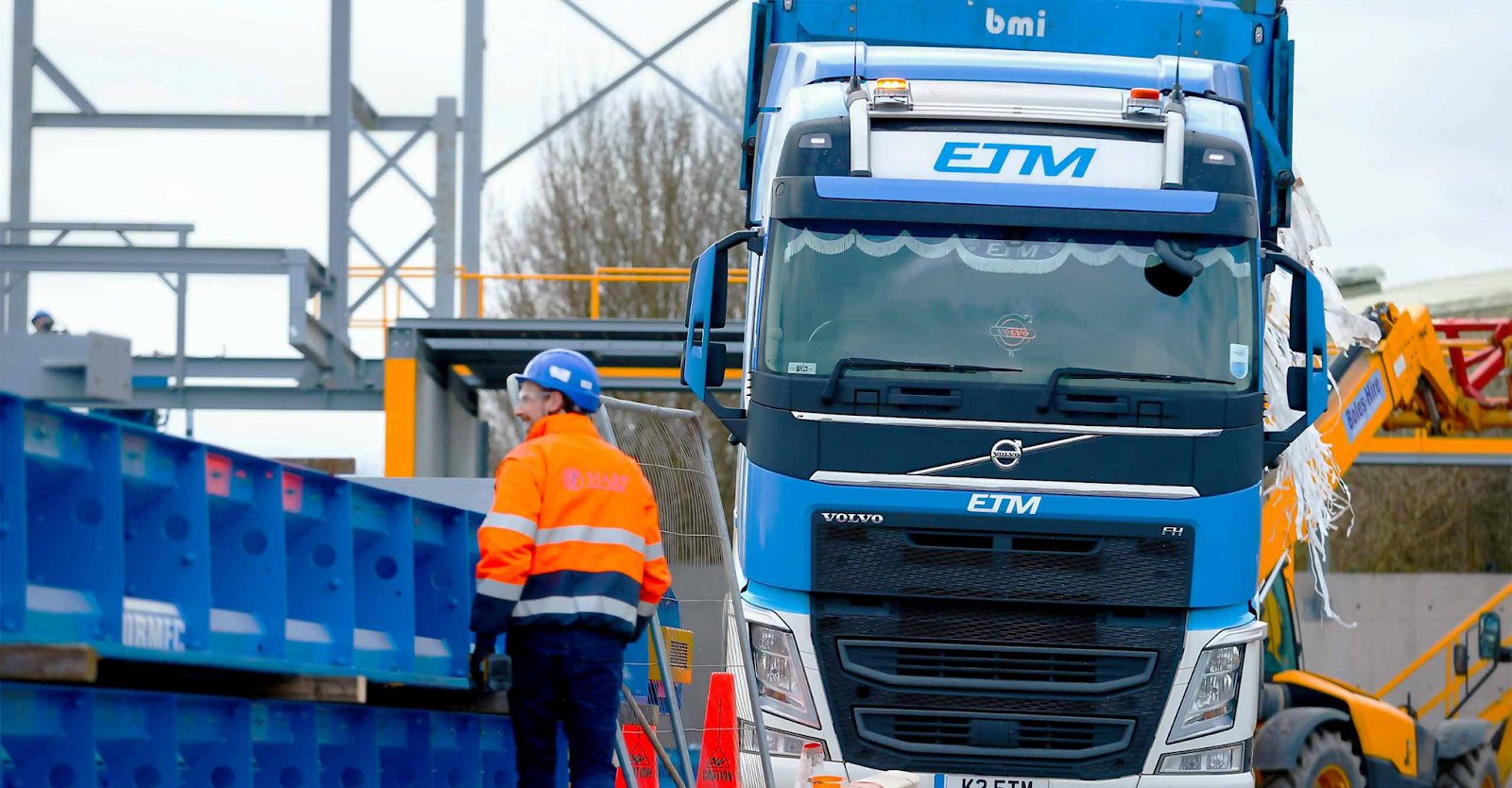
Many businesses choose to hire professional hazardous waste transportation services to manage this task safely and efficiently. These services specialize in collecting, transporting, and disposing of dangerous materials according to strict rules. In this article, we will explore five key benefits of using commercial hazardous waste transportation services.
1. Safety for Employees and the Public
One of the main benefits of hiring a professional service is safety. Hazardous waste can cause serious injuries or illnesses if it is not handled correctly. Trained professionals know how to handle different types of dangerous materials safely. They use the right protective equipment and follow strict safety procedures.
By relying on experts, businesses protect their employees from accidents and reduce the risk of spills or leaks that could harm the public. Safe handling also ensures that hazardous waste does not contaminate water, soil, or air, keeping the community safe.
2. Compliance with Legal Regulations
Hazardous waste disposal is highly regulated by local, national, and international laws. Businesses must follow these rules carefully, or they may face heavy fines, legal problems, or even closure. The commercial hazardous waste transportation services are fully aware of these regulations and follow them precisely.
They keep proper records, label waste correctly, and ensure that waste reaches approved disposal facilities. By hiring these services, businesses can avoid legal risks and show that they care about following the law and protecting the environment.
3. Efficient Waste Management
Professional hazardous waste transporters help businesses manage their waste efficiently. They provide scheduled pick-ups and proper containers, so hazardous materials do not accumulate at the workplace. Experts know the best methods to package, load, and transport waste, which saves time and effort for businesses.
Efficient handling reduces delays and prevents accidents caused by improper storage. When businesses work with trained services, they can focus on their main operations while leaving waste management to experts.
4. Environmental Protection
Hazardous waste can cause serious damage to the environment if it is not disposed of correctly. It can pollute rivers, soil, and air, affecting plants, animals, and human health. Commercial hazardous waste transportation services ensure that waste reaches certified treatment or disposal facilities.
They follow procedures that minimize environmental harm and promote recycling or safe disposal whenever possible. Hiring these services shows that a business is responsible and committed to protecting the environment for future generations.
See also: The Digital Twin Revolution: Virtual Mirrors of Reality
5. Cost Savings in the Long Run
While hiring a hazardous waste transportation service may seem expensive at first, it can save money in the long run. Improper handling of hazardous waste can result in costly fines, cleanup expenses, and health-related claims. Professional services prevent accidents, legal issues, and environmental damage.
They also optimize the collection and disposal process, which reduces waste management costs. Investing in expert services is a smart choice for businesses that want to avoid unnecessary risks and expenses.
Conclusion
Hiring commercial hazardous waste transportation services provides businesses with safety, legal compliance, efficiency, environmental protection, and long-term cost savings. Handling hazardous materials without professional help can be dangerous and expensive.
By trusting trained experts, companies can focus on their work while ensuring that their waste is managed responsibly. Using these services is a smart and responsible business decision that benefits employees, the public, and the environment.